
What is a Biocellulose Facial Mask? Everything You Need to Know
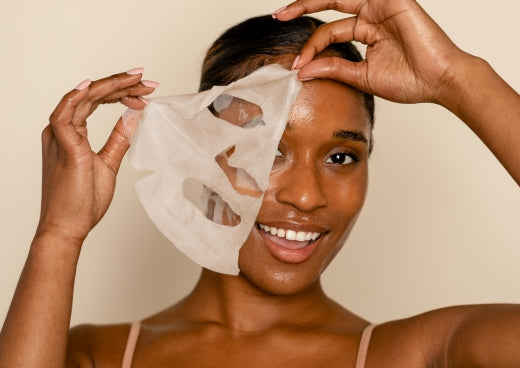
Ultra-thin. All-natural. Incredibly Absorbent.
Imagine a sheet mask that doesn’t just sit on the surface but hugs your skin like a second layer, locking in every drop of hydration while holding an impressive amount of serum right where your skin needs it. A mask so breathable yet powerful, it moves with you as if it were tailor-made for your skin. That’s the beauty of biocellulose.
Now, let’s be real. Most of us have had our fair share of underwhelming masks—the flimsy paper kind that slides off the moment you dare to multitask, or the ones that leave your skin feeling more sticky than supple.
The truth? Not all facial masks are created equal. And if you’ve been wondering why some masks leave your skin glowing while others leave you reaching for another serum, the difference often comes down to the material.
Biocellulose isn’t just another option in the skincare aisle. Unlike traditional sheet masks, biocellulose masks stand out because of their unique origin and structure. Read on to unmask everything you need to know about biocellulose.
Overview:
-
Biocellulose 101
-
Comparing Sheet Masks: Why is Biocellulose Different
-
Real-Life Skin Benefits of Biocellulose Masks
-
Guilt-Free Masking: Eco-Friendly Features of Biocellulose
-
Product Spotlight: Dr Pen x Peachaboo Calm Biocellulose Facial Mask
-
Conclusion
Biocellulose 101
Biocellulose may sound like another trend, fad, or buzzword. Fear not, because it's backed by serious science. This natural fibre is created through fermentation, often from coconut water, where good bacteria spin ultra-fine nanofibers invisible to the naked eye. To put it into perspective, these fibres are thousands of times thinner than human hair.
What does that matter? Structure. These ultra-fine fibres weave together into a material that is:
-
Highly absorbent: able to hold up to 100 times its dry weight in liquid
-
Strong yet soft: won’t tear easily, even when soaked in serum
-
Breathable and comfortable: conforms to skin like a second layer, no sliding or peeling off
Biocellulose wasn't born in beauty. It was first used in medicine for wound dressing and burn treatment because of its ability to retain moisture, adhere closely to the skin, and create an ideal healing environment. It’s only natural that skincare would borrow this advanced material and adapt it for facial masks.
And when you place that same technology on your face? You get a mask that delivers hydration evenly, keeps actives where they should be, and transforms masking from a slippery guessing game into a treatment-worthy ritual.
Comparing Sheet Masks: Why Biocellulose is Different
Still wondering how it compares to the sheet masks? Let’s break it down:
|
Feature |
Biocellulose Mask |
Traditional Sheet Masks |
|
Material |
Natural fibres from fermented coconut water or plant cellulose |
Cotton, pulp, or non-woven synthetic/plant fibres |
|
Serum Retention |
Known to retain serum or essence for longer, slower evaporation / more even delivery |
Traditional masks often lose moisture faster, depending on the material and thickness |
|
Comfort |
Lightweight, breathable, often described as cooling or soothing on sensitive or post-treatment skin |
Comfort varies; may feel heavier or less cooling depending on material, especially if damp or when serum dries. |
|
Eco-Friendliness |
Some biocellulose materials are biodegradable, plant-based, often using natural fermentation processes |
Traditional sheet masks vary; many are biodegradable if cotton/pulp, but others may include synthetic fibers or non-biodegradable components |
When it comes to masking, traditional sheet masks will have their place, but biocellulose offers a different kind of experience—one that’s close to professional care.
Real-Life Skin Benefits of Biocellulose Masks
After examining the comparison of materials, here’s what having a biocellulose mask brings you (in real life, not just lab talk!).
As we already know, biocellulose masks combine innovative material design with high serum retention, so your weekly or nightly mask sessions can feel both indulgent and effective. Here’s what you can expect when you include biocellulose masks in your routine:
1. Plump, Hydrated Skin
Biocellulose can hold and gradually release more serum than traditional masks. This means that during a quick post-work reset or a weekend self-care session, your skin soaks up hydration more efficiently. Over time, repeated use helps your skin stay soft, supple, and less prone to dryness.
2. Evenly Treated Skin
This mask’s ultra-fine fibres hug every curve of your face, from under the eyes to the jawline. In your evening routine, this ensures that every area receives the same hydration and active ingredients, so you don’t get patchy results.
3. Soothed and Calm Skin
Its breathable, cooling structure gently reduces redness and irritation. For anyone dealing with sensitive skin or post-treatment recovery, a short masking session after cleansing can calm stressed or inflamed areas. It’s especially beneficial after procedures like microneedling, microcurrent, or radiofrequency treatments. These treatments can leave the skin temporarily sensitive, and biocellulose masks provide a gentle, hydrating layer that supports the skin's natural healing process.
4. Mindful and Sustainable Skincare
Biocellulose masks are plant-based and biodegradable, allowing you to enjoy your masking ritual with greater environmental consciousness. While caring for your skin during a Sunday pampering session or midweek hydration boost, you’re also making a sustainable choice.
Guilt-Free Masking: Eco-Friendly Features of Biocellulose
Biocellulose masks aren’t just skin-smart, they’re planet-smart. Made from fermented coconut water and other plant-based ingredients, these masks are fully biodegradable, breaking down naturally instead of contributing to landfill waste. Choosing biocellulose allows your skincare ritual to be both indulgent and responsible at the same time.
Sustainability in skincare is about aligning daily routines with eco-conscious practices. Biocellulose offers hydration, comfort, and performance while reducing environmental impact, so your “me-time” doesn’t come at the planet’s expense.